


Making Public Transport Greener: Simple Steps for a Low-Carbon Fleet
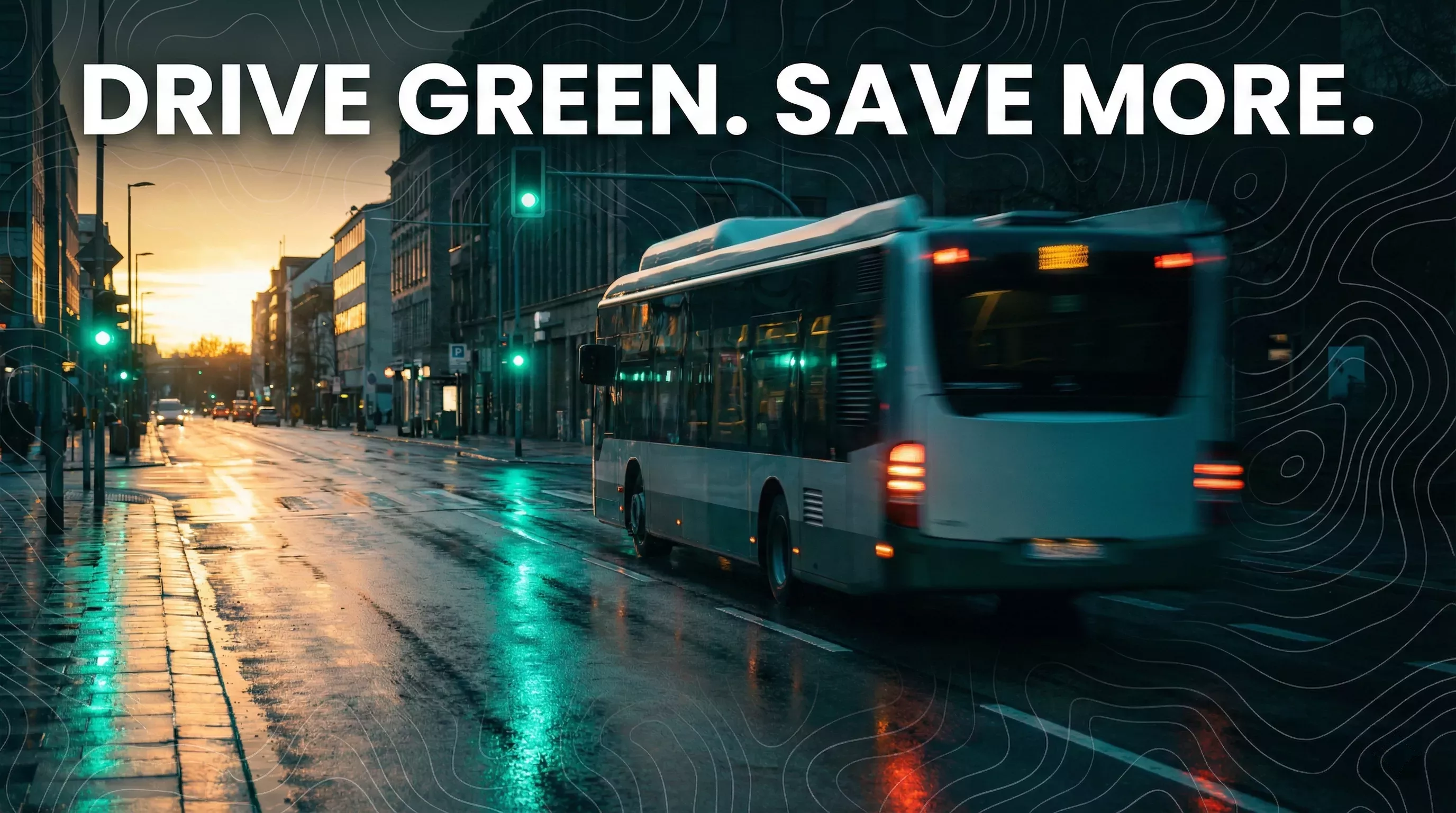
Beyond Electric: The Immediate Path to Low-Carbon Transport
While the transition to electric buses is the long-term goal for many cities, the high cost of new vehicles and charging infrastructure means this shift takes time. But your city cannot wait a decade to reduce its carbon footprint. There are immediate, software-driven steps you can take today to make your current fleet significantly greener.
The Power of Eco-Driving
How a bus is driven has a massive impact on its emissions. Harsh acceleration and unnecessary idling at stops can increase fuel consumption by up to 20%. By providing drivers with real-time feedback through a simple tablet interface, you can encourage 'eco-driving'—a smoother, safer, and much cleaner way to move through the city.
Small Changes, Big Environmental Impact
Sustainability in public transport is often a game of inches. When you multiply small efficiencies across an entire fleet, the results are measurable in tons of CO2 saved. Here is how modern software helps you go green:
- Eliminating Idling: Automatically alert supervisors when a bus is running its engine unnecessarily, reducing wasted fuel and local air pollution.
- Optimized Routing: Ensure buses are taking the most efficient paths, reducing the total mileage driven each day.
- Data-Driven Maintenance: A well-maintained engine is a cleaner engine. Real-time alerts ensure your fleet is always running at peak efficiency.
Leading the Way in Urban Sustainability
Cities that prioritize green mobility are not just helping the planet; they are becoming more attractive places to live. When a transport network is seen as clean and efficient, more people choose the bus over their private cars. This 'modal shift' is the single most effective way to reduce urban congestion and pollution.
A Practical Road to Net Zero
You don't need a massive budget to start your environmental transition. By focusing on data and driver behavior, you can achieve immediate reductions in emissions while saving on fuel costs. It’s a win-win for the city, the operator, and the environment. The future of green transit isn't just about what's in the tank; it's about the intelligence behind the wheel.

